
“It is not the strongest of the species that survive, nor the most intelligent, but the one more responsive to change.”
Charles Darwin
The Molecular Basis of Metabolic Adaptation
All organisms are facing a rapidly changing world. To understand the basic biological mechanisms that enable organisms to cope with change is also to understand ourselves and our future.
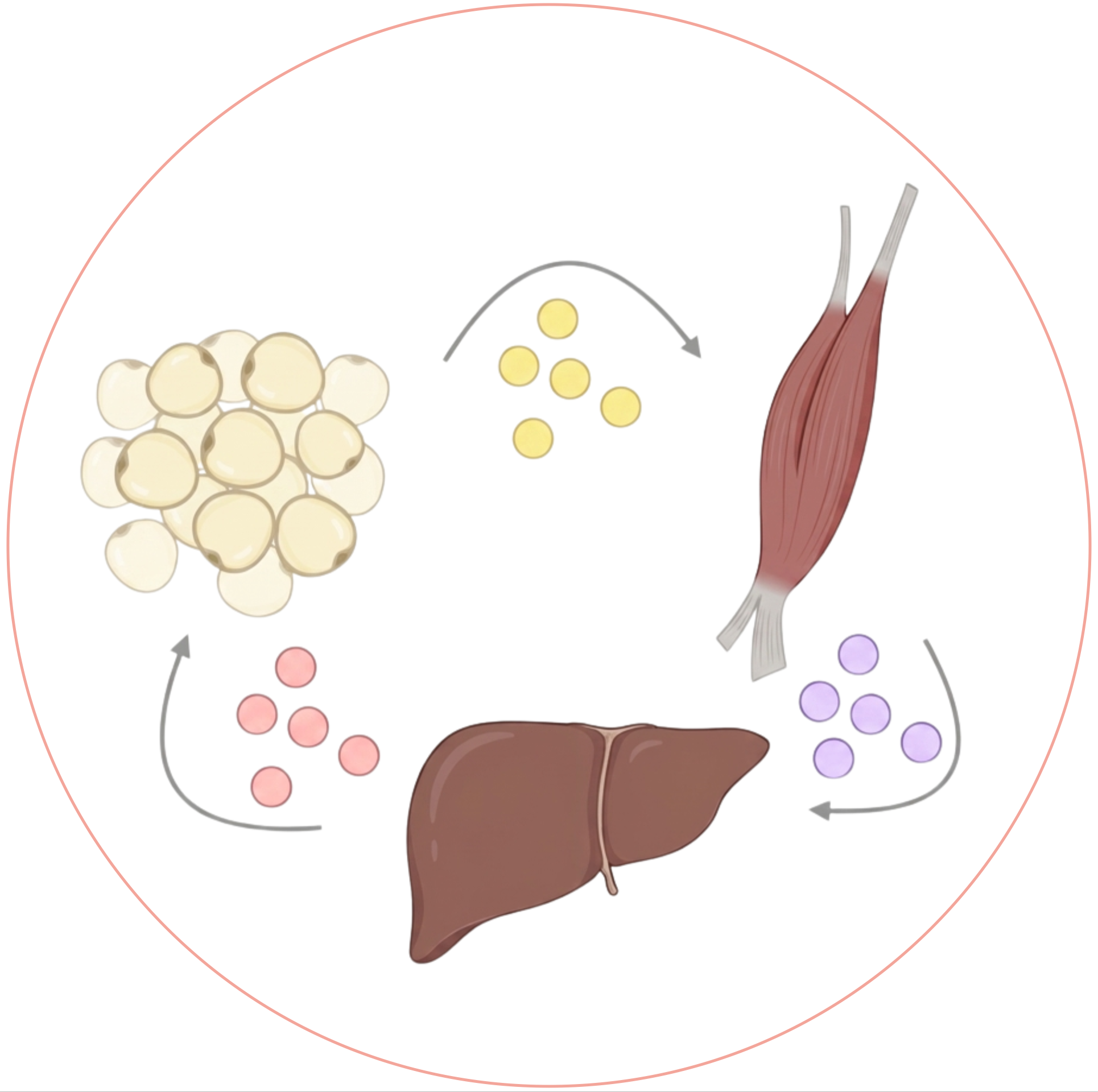
Organ crosstalk
How does organ crosstalk help to maintain metabolic homeostasis?
Organs are not isolated systems, but they communicate with each other. In the face of energetic changes, organs must communicate to coordinate energy metabolism and optimize survival. We combine proteomics, biochemistry, and cell biology to identify circulating signaling molecules that send messages between metabolic organs to maintain homeostasis.
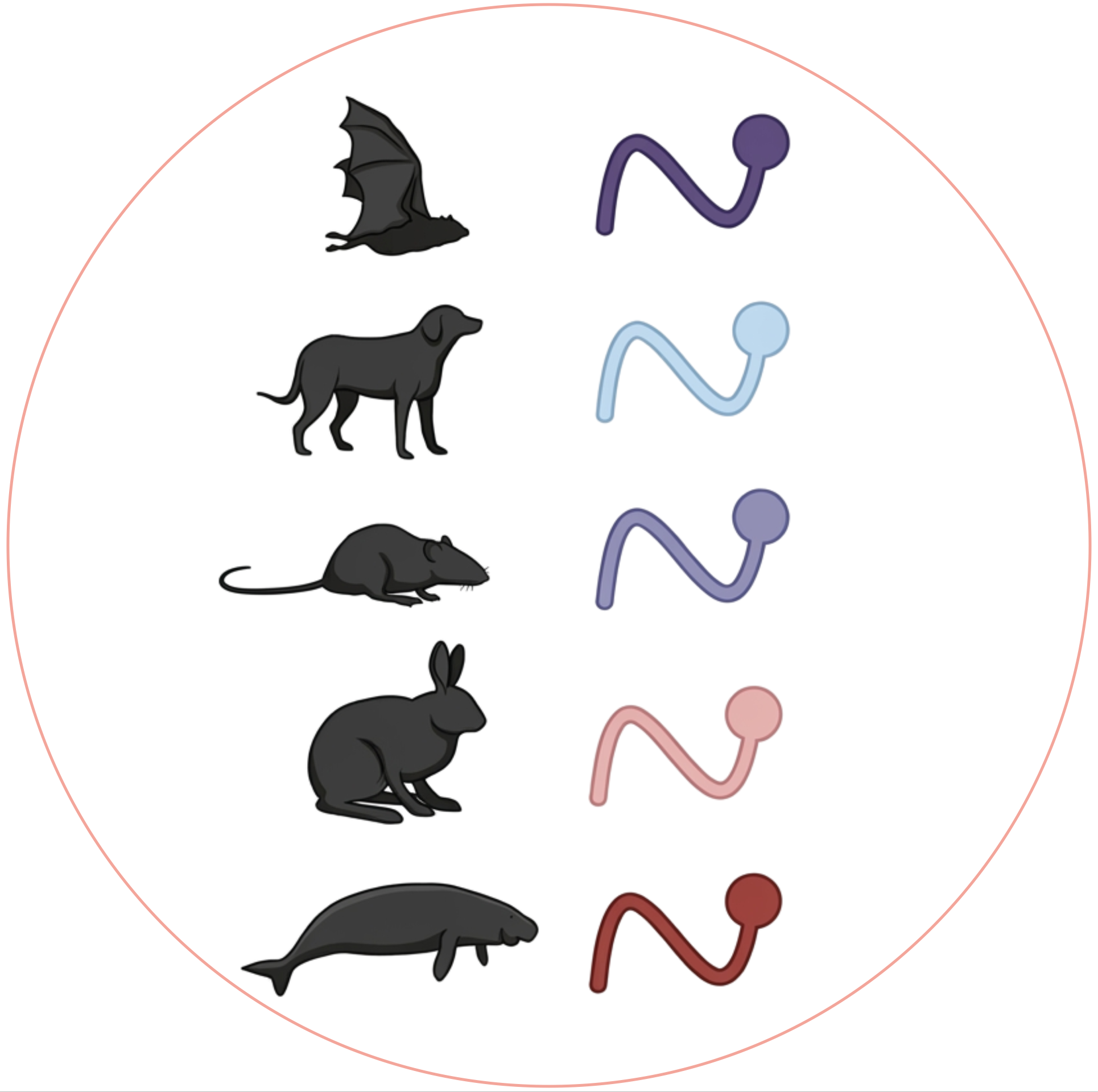
Variations in life history
What are the physiological consequences of variations in life history among species?
We leverage non-conventional animal models with diverse life-history traits to understand how energy metabolism changes across different life stages. By combining ethology, physiology, and molecular biology, we aim to better understand why certain life stages are more vulnerable to particular physiological and metabolic disorders.
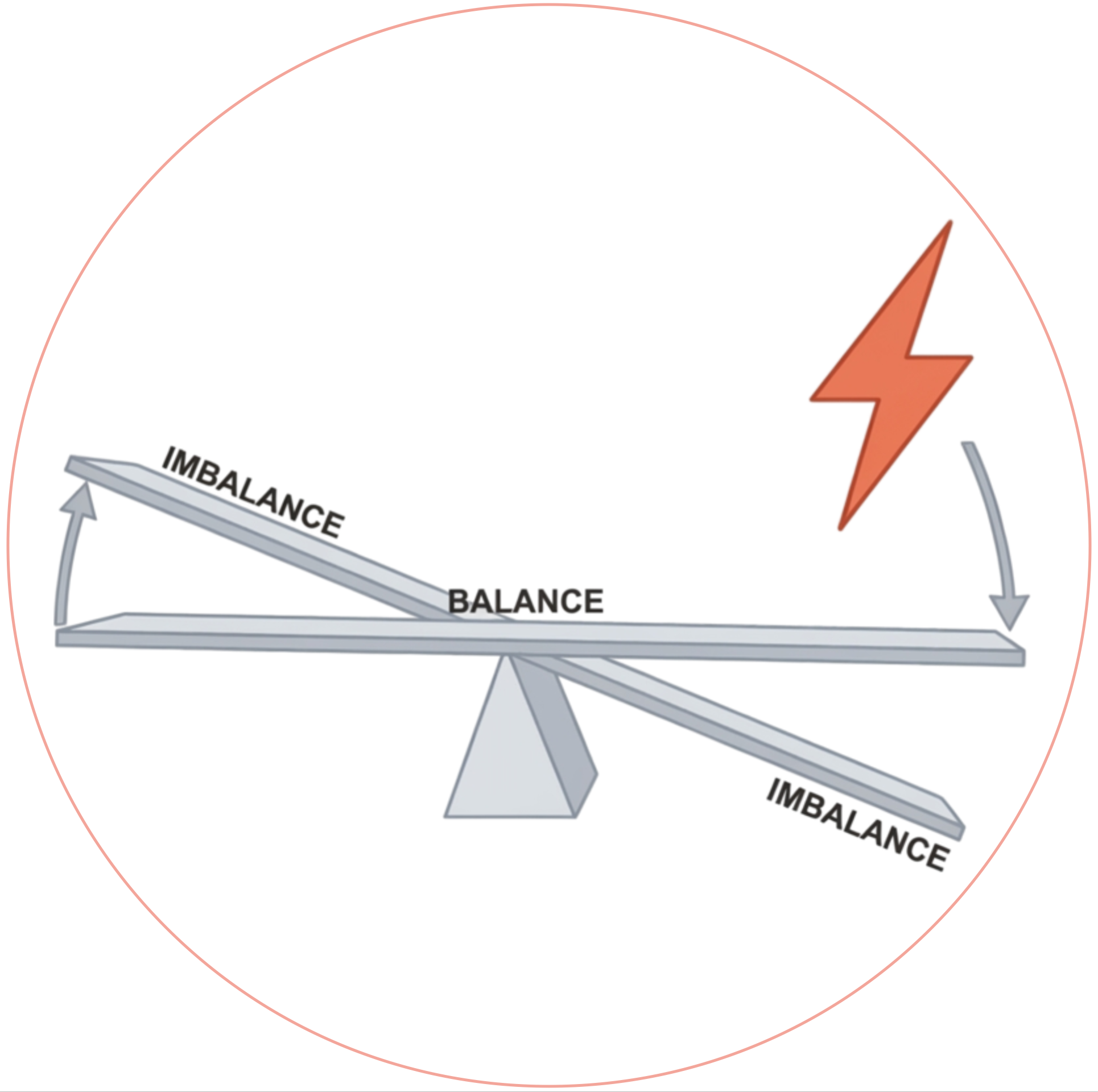
Response to challenges
How to identify natural mechanisms for protection against environmental challenges?
Organisms have evolved diverse strategies to survive environmental challenges. We study how these protective mechanisms operate at the molecular, cellular, organ, and whole-body levels. By integrating physiology, molecular biology, and comparative approaches, we aim to identify natural adaptations that promote resilience to environmental stress.